Walk along the fence line at the north end of Old Town and you'll see it: a chain-link barrier that's kept the public off 18.87 acres of Potomac riverfront since the old coal plant went dark in 2012. On the other side of that fence, marketing renderings promise a waterfront park, a rail corridor trail, restaurants, and thousands of new residents. On this side of it, buyers are already writing offers at Tidelock and Muse and The Whitley, in part because those renderings exist.
In June 2026, the Alexandria City Council voted unanimously to approve the first phase of that redevelopment and a $135 million financing package to pay for it. That's real progress after years of stalled talks. It's also the point where a buyer needs to slow down and separate what got approved from what got built, because those are two very different things on a site this size.
What's actually for sale in Old Town North right now
The buildings closest to the power plant site are already selling, and they're pricing in proximity to a waterfront that doesn't fully exist yet.
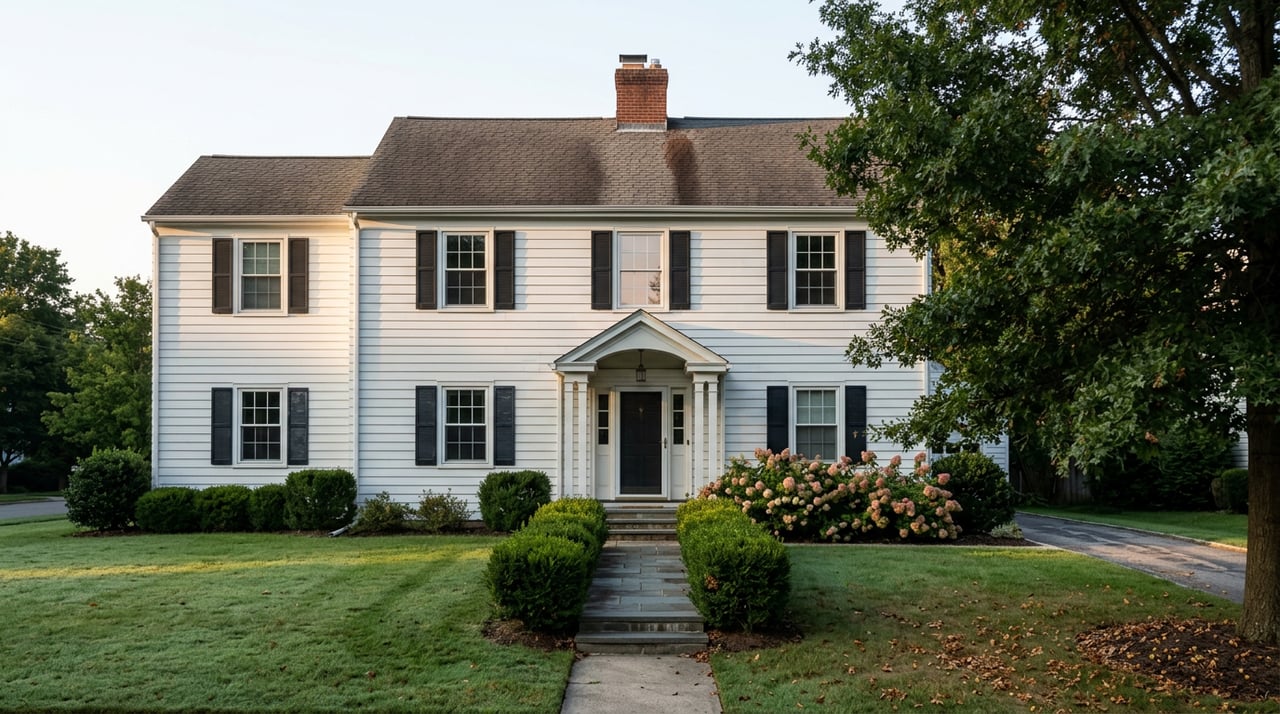
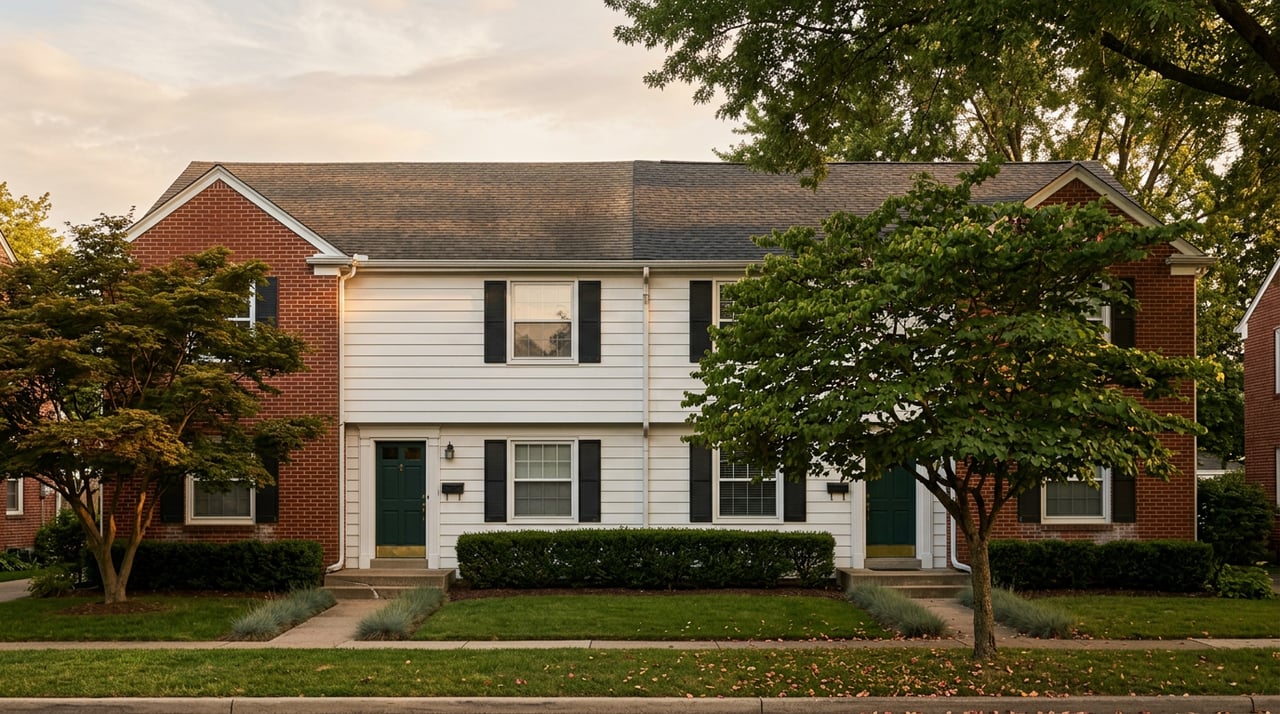
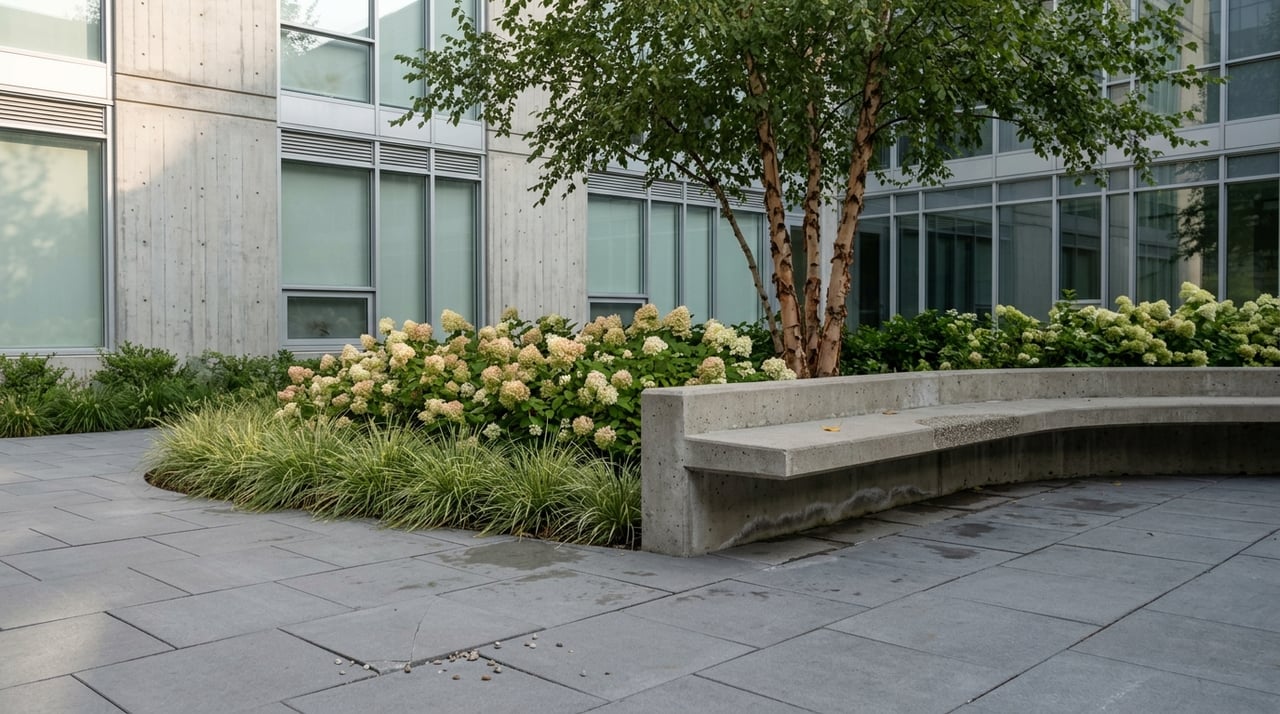
The Residences at Tidelock is the clearest example. It's a finished, 65-unit condo building on the Old Town North waterfront with immediate occupancy available, priced from the high $400,000s to more than $4 million, and more than 45 percent sold as of this spring. A separate rental building nearby, Current Tidelock at 1055 N. Fairfax Street, is bringing 12 income-restricted units online this year. Down the block, The Whitley is reporting 70 percent sold, and boutique buildings like Muse and Abingdon Row are marketing river views and walkability to the same stretch of trail.
Condos in Old Town North currently list at a median price of $737,000, based on active listings. Old Town overall, which folds North and South together, posted a median home price of $994,900 in June 2026, with an average sale price of $1,232,043. Those are strong numbers for a neighborhood whose most prominent feature, for the past fourteen years, has been a fenced-off industrial site.
None of that is a coincidence. Buyers are paying for a neighborhood that's supposed to change. The question worth asking before you sign anything is when, and on what terms.
The financing structure tells you more than the rendering does
Here's the part most marketing materials skip. The $135 million approved in June isn't the city writing a check. It's a tax increment financing package, paired with a new Community Development Authority that will issue bonds against future property tax revenue the finished project is expected to generate. The infrastructure, roads, remediation, and public parks get built now on borrowed money, and the debt gets repaid over time as the buildings around it start paying taxes.
That structure only works if construction proceeds roughly on schedule. Alexandria has used this exact TIF-and-CDA combination once before, for the Landmark Mall redevelopment on the West End, so there's precedent for the mechanism working. But it's still just the second time the city has tried it, and the Community Development Authority that will actually issue the bonds for the power plant site hadn't been formed as of the June vote. The city expects to form it this fall.
City staff were candid about why this structure was necessary at all. According to the presentation to Council, the site has faced remediation costs, regulatory complexity, and soft commercial demand that kept the project from moving forward on private capital alone. That's worth sitting with. This isn't a developer building on their own dime because the numbers already work. It's a project that needed public backing to pencil out, which tells you something about the execution risk between approval and delivery.
Before any vertical construction happens, HRP Group, the site's owner since 2020, has to remediate decades of industrial contamination, including asbestos and contaminated soil. Groundbreaking is anticipated in 2027. Full buildout, at up to 2.5 million square feet across multiple blocks, doesn't have a published completion date, because the later blocks haven't finished design yet.
Old Town already ran this experiment, on a smaller scale
There's a useful precedent a few blocks south, and it didn't need a TIF at all.
Robinson Landing sits on about 2 acres of former industrial waterfront in Old Town, a joint venture between EYA, JBG SMITH's investment fund, and Mitsui Fudosan America, built entirely with private capital. City Council approved the site's restaurant permits in March 2019. Ada's on the River, the project's first restaurant, opened in January 2021. BARCA Pier & Wine Bar followed that spring. By that October, the development's 70 condominiums were reported more than 70 percent sold, with the project earning a regional Community of the Year award.
Call it two years from approval to delivered amenities, on a 2-acre site with no remediation burden and no public financing to coordinate. The power plant site is nearly ten times the size, requires environmental cleanup before groundbreaking even starts, and is being built in phases where only the first two blocks have cleared approval. If Robinson Landing is the best comparison this neighborhood has for how fast a waterfront redevelopment actually moves, the honest expectation for the power plant site is a much longer runway, not a shorter one.
What's locked in versus what's still a rendering
| Locked in and funded | Still years out or undesigned |
|---|---|
| First-phase Development Special Use Permits for Block B and Block C | Blocks A, D, E, and F have not cleared design or approval |
| $135 million TIF package approved by Council in June 2026 | The Community Development Authority that issues the bonds is still being formed this fall |
| Waterfront Park and Rail Corridor Park included in Phase 1 plans | No published date for when either park opens to the public |
| HRP's commitment to work with the National Park Service on the Mount Vernon Trail fence | Federal NEPA review of that work is still ongoing |
| 2027 groundbreaking target for Phase 1 | Site remediation, including asbestos and contaminated soil removal, has to happen first |
| Up to 2.5 million square feet and roughly 3,100 jobs at full buildout | No completion date for full buildout has been published by the city or HRP |
What this means if you're writing an offer near the site
If you're looking at a finished building like Tidelock or The Whitley, you're paying for real, delivered amenities today: a completed structure, an existing stretch of waterfront trail, proximity to Old Town's restaurants and Metro access. That part of the value is not speculative.
The part worth pricing carefully is anything tied to the power plant site specifically. A waterfront park that's part of Phase 1 planning is not the same as a waterfront park with a ribbon-cutting date. A fence removal that depends on federal environmental review is not guaranteed to happen on the timeline in a sales brochure. And a neighborhood that's about to become a multi-year construction zone, with soil remediation and vertical building happening a few blocks from where you'd be living, comes with noise, dust, and truck traffic considerations that are worth walking the site to understand before you commit.
None of this means the project won't happen. The city has real fiscal incentive to see it through, and HRP has held the site through nearly six years of planning without walking away. It means the premium you pay today for "future waterfront" should reflect a delivery window measured in years, informed by the only comparable project this neighborhood has actually finished.
FAQ
Does the June 2026 approval mean construction has started? No. The vote approved permits and financing for the first phase. HRP has said it anticipates breaking ground in 2027, and site remediation has to happen before that.
Will nearby homeowners see a tax impact from the TIF? The financing is structured to be repaid from the new tax revenue the development itself generates, not from an increase to existing residents' tax bills. The city's own analysis and the terms of the structure are posted on its website for anyone who wants to review the mechanics directly.
How long did a comparable Old Town waterfront project actually take? Robinson Landing, a much smaller privately financed project two blocks south, took about two years from approval to open restaurants and a majority-sold condo building. The power plant site is significantly larger and more complex, so a longer timeline is the more realistic expectation.
Should I wait to buy until the waterfront park opens? That depends on your goals and timeline, not on a formula. If proximity to a future amenity is the deciding factor in an offer, it's worth discussing the realistic delivery window with someone who's tracked the project's approvals, rather than the completion date shown in a rendering.
If you're weighing a purchase near Old Town North's waterfront, or trying to figure out what a listing's proximity to the power plant site is actually worth right now versus in five years, Derek Cole Properties can walk the numbers with you. Schedule a free consultation and get a straight read on the timeline before you write an offer.