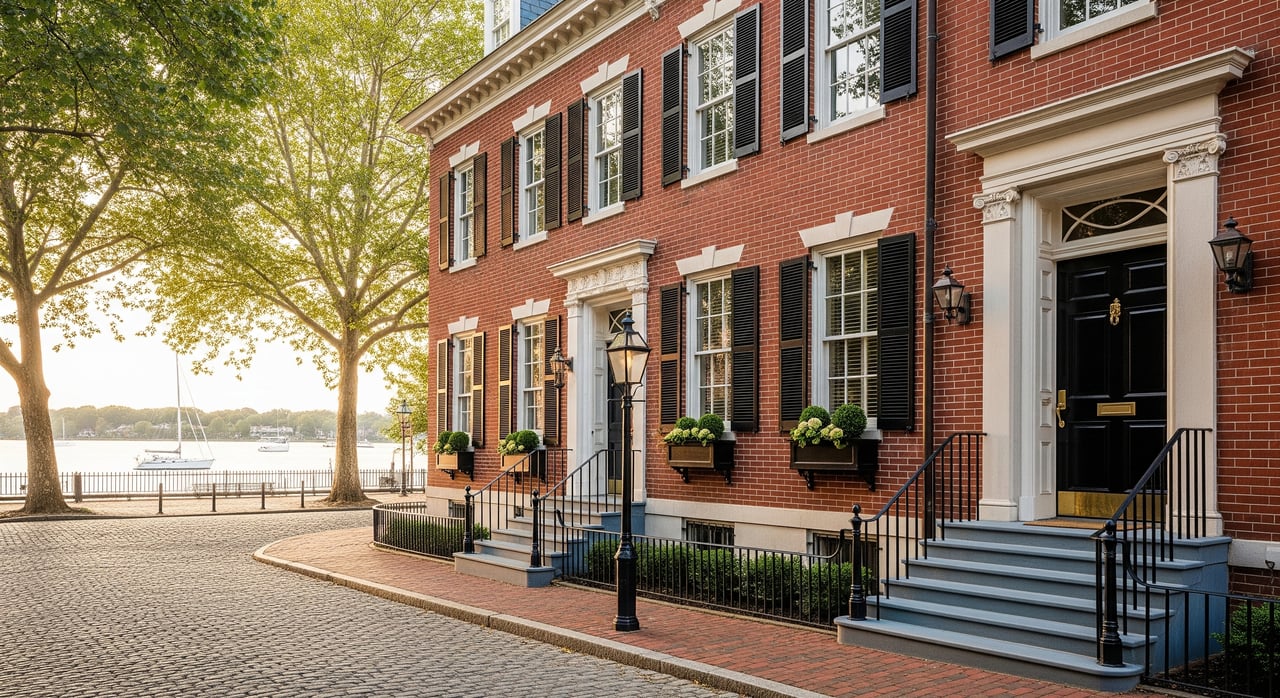
Thinking about a move to Alexandria but not sure what day-to-day life actually feels like? You want charm, convenience, and a smart location that keeps your commute manageable. In this guide, you’ll get a clear look at neighborhoods, housing types, transit, schools, parks, and local services so you can decide if Alexandria fits your priorities. Let’s dive in.
Why Alexandria appeals
You get a rare blend of historic character and modern convenience. Alexandria sits along the Potomac just south of Washington, D.C., with a mix of walkable urban blocks and quiet, tree-lined streets. Many people choose it for proximity to federal and private-sector jobs, a lively dining scene, and quick access to regional highways and transit.
If you want weekends on the waterfront, weekday Metro access, and neighborhood events that feel close-knit, Alexandria delivers. The city’s size makes it simple to learn, yet it offers distinct pockets with different vibes.
Neighborhoods at a glance
Old Town
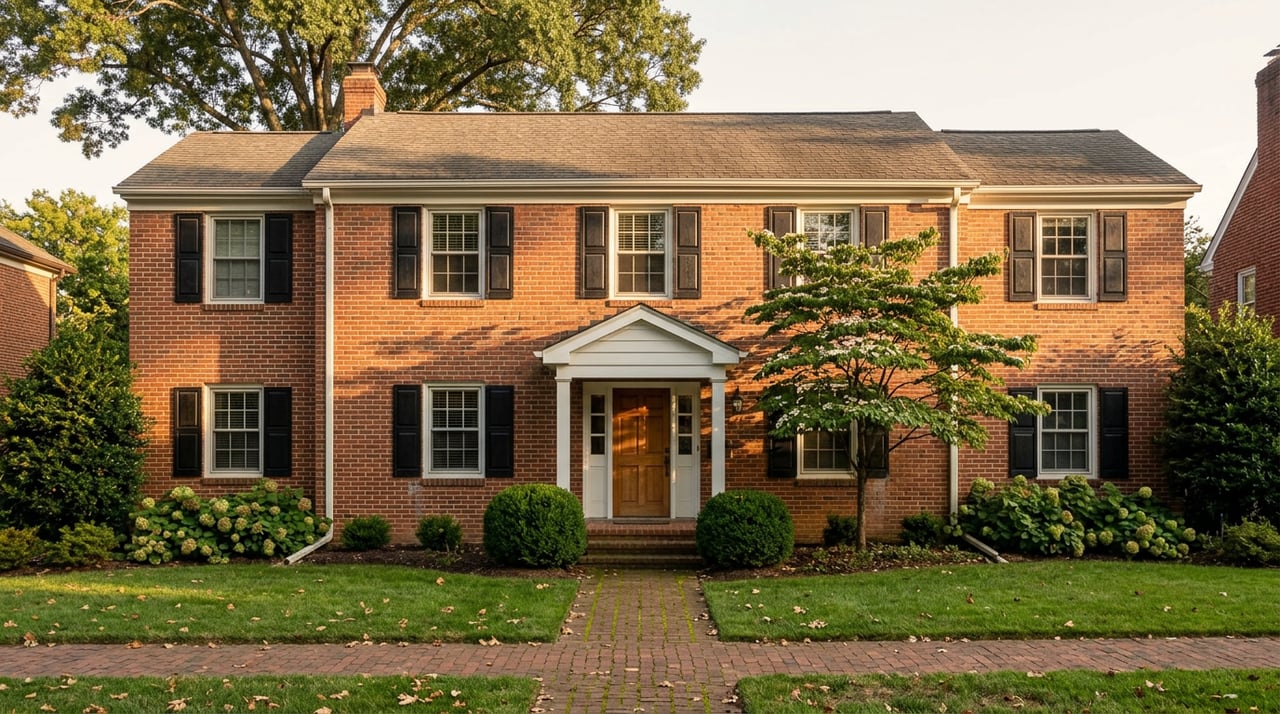
Old Town is the historic heart, centered on King Street with brick sidewalks, boutiques, and restaurants. Housing ranges from Federal and Victorian rowhomes to condos created from older buildings. You can visit working artist studios at the Torpedo Factory Art Center and walk to waterfront parks. Expect a lively scene, great walkability, and easy access to Metro.
Del Ray
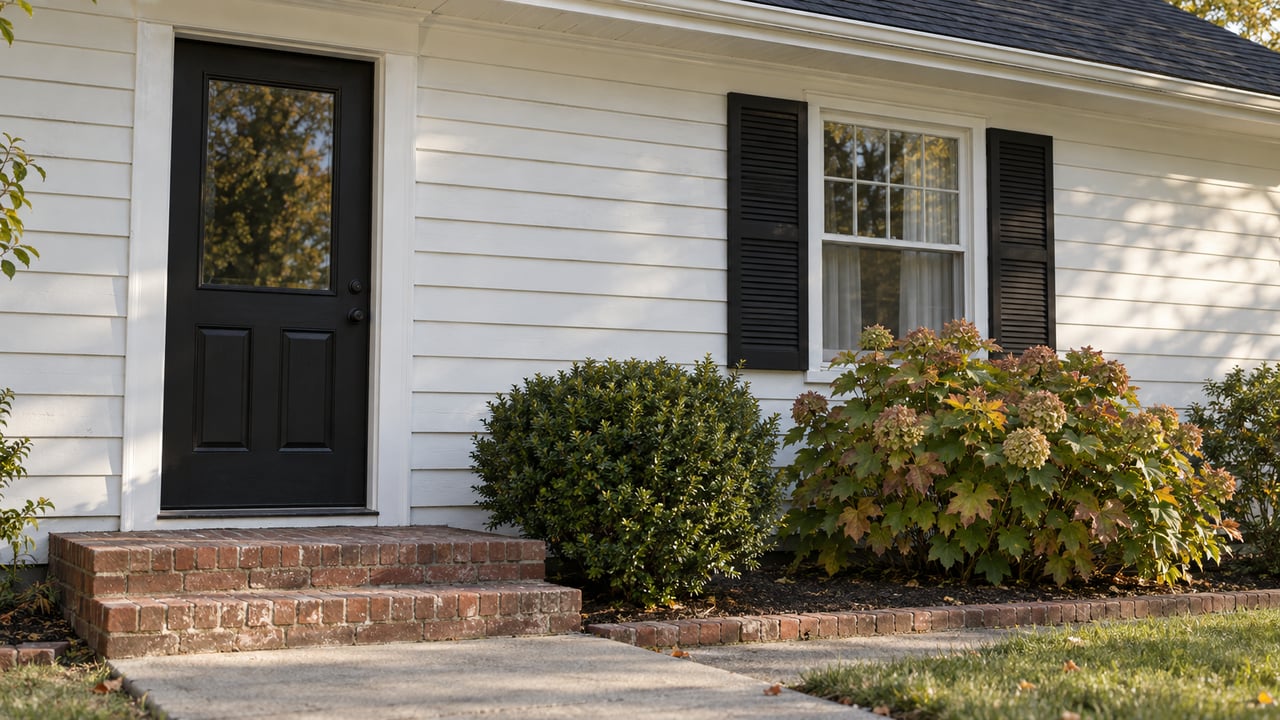
Del Ray feels like a small town tucked into the city. Mount Vernon Avenue is your main street with indie shops, coffee spots, and community events. Housing includes early 20th-century bungalows, rowhouses, and some newer infill, often with small yards. If you value a neighborly vibe and walkable errands, Del Ray is a strong match.
Carlyle and Eisenhower Valley
These planned mixed-use areas skew modern, with newer condos, apartments, and some townhomes near offices and retail. You get quick access to I‑395 and I‑495 and a more contemporary streetscape. Residents often like the convenience of newer buildings and transit connections.
Jefferson Manor and nearby pockets
Closer to the Fairfax County line, Jefferson Manor and nearby Huntley or Beauregard corridors lean residential and quieter. You will see postwar duplexes, ranch-style homes, and garden apartments at more accessible price points compared with Old Town and Del Ray. Buyers often choose these areas for value, interior space, and calmer streets.
Rosemont and Parker‑Gray
These mature neighborhoods offer a mix of historic and mid-century homes on leafy blocks. Parker‑Gray is notable for historic heritage and ongoing revitalization. Many residents value the balance of neighborhood feel with quick trips to employment centers.
Housing and affordability
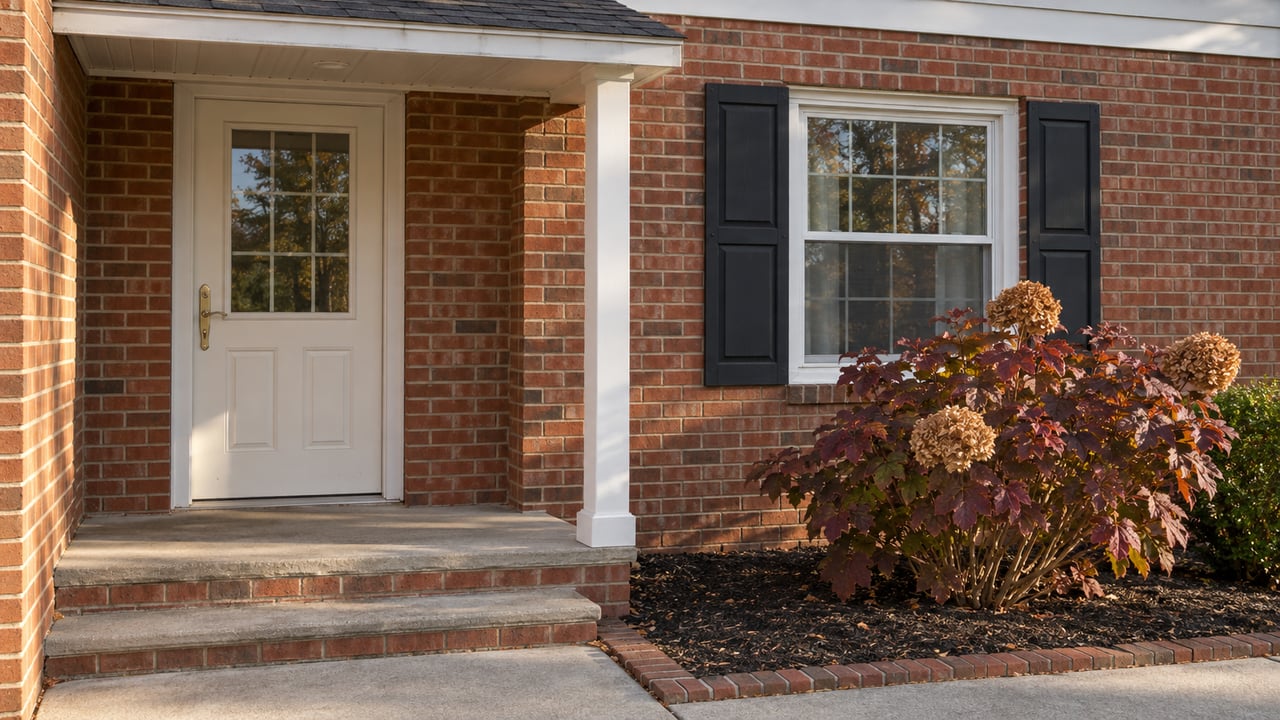
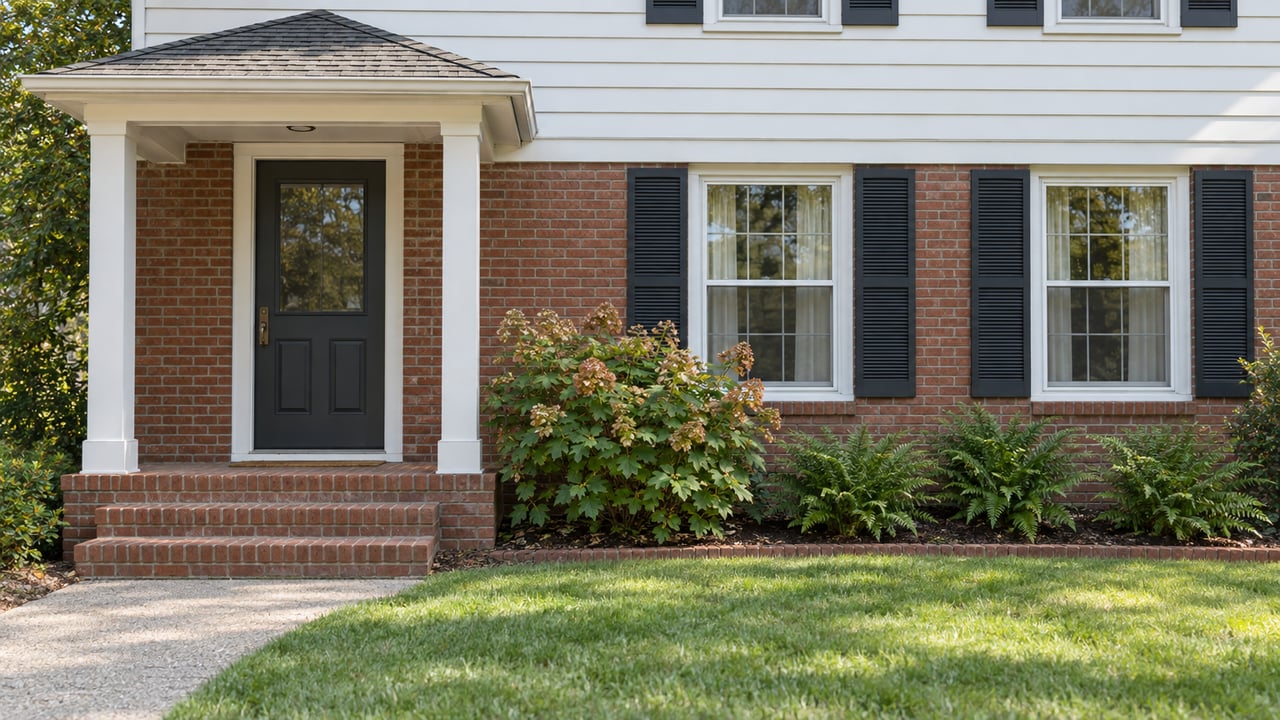
You will find a wide range of options: historic rowhouses in Old Town and Rosemont, bungalows and cottages in Del Ray, mid-century ranches near Jefferson Manor, and newer condos in Carlyle and Potomac Yard. Ownership is common in single-family and townhome areas, while rentals cluster near transit and mixed-use districts.
If you are buying in a historic district, factor in permit rules and design review for exterior changes. The City posts historic guidelines and permits, which guide window, siding, and addition choices. Many attached homes and condos include HOA or condo fees that cover shared maintenance. For homes near the waterfront or in low-lying blocks, review FEMA flood zones and consider insurance needs; you can check a property’s map layer on the FEMA Flood Map Service.
Affordability varies by neighborhood and housing type. Because Alexandria sits in the D.C. metro, prices tend to be higher than national averages. If you plan updates, a targeted renovation strategy can help stretch value while aligning with local design standards and buyer preferences.
Getting around the region
Alexandria gives you multiple commute routes to D.C., the Pentagon, and beyond. The Metrorail system serves the city with stations such as King Street–Old Town and Braddock Road. Review lines and service patterns on the WMATA Metrorail map. For local trips and Metro connections, the city’s DASH bus network runs frequent neighborhood routes.
If you commute south or west, Virginia Railway Express offers peak-hour commuter rail with nearby stations; check current lines and schedules on VRE. Amtrak service is also available at Alexandria’s station for regional trips. Drivers connect quickly to I‑395 into D.C. and I‑495 for Beltway travel, though peak traffic can add time. Biking is popular along the Mount Vernon Trail, and walkability is strong in Old Town, Del Ray, and newer mixed-use hubs.
Everyday life: food, parks, and culture
Old Town’s King Street and Del Ray’s Mount Vernon Avenue anchor much of the dining and shopping. Independent cafes, bakeries, and specialty retailers sit next to long-running local favorites. You can browse upcoming events, festivals, and restaurant guides on Visit Alexandria to plan a weekend.
For arts, the Torpedo Factory Art Center hosts working studios and exhibits right on the waterfront. Outdoor time is easy to find, with parks like Jones Point and Oronoco Bay, plus pocket parks scattered across the city. The Mount Vernon Trail links you to miles of Potomac views for running, biking, and casual walks.
Evenings stay lively but not overwhelming. Expect relaxed pubs, wine bars, and restaurants where you can meet friends, catch live music, or unwind after work.
Schools and family resources
Public schools are operated by Alexandria City Public Schools. Attendance zones vary by address, so confirm boundaries and programs on the ACPS website. For state-level data and report cards, the Virginia Department of Education publishes performance information.
Beyond K‑12, you will find recreation centers, pools, youth classes, and library branches with story times and community programs. Many private and parochial options are also available in and near the city. Families often appreciate the short hop to museums and cultural sites across the region.
Safety and city services
As in most urban areas, crime patterns vary by location and time of day. For current data, review official maps and reports from the Alexandria Police Department. The City of Alexandria website outlines trash and recycling schedules, snow policies, permits, and renovation guidance. If you are considering a home near the river, evaluate flood risk and mitigation options, and verify insurance requirements with your lender and insurer using the FEMA Flood Map Service.
Development and what to watch
Mixed-use growth in Potomac Yard, Carlyle, and nearby corridors continues to add apartments, condos, retail, and office space. Transit changes can shift commute patterns and support new amenities. To keep tabs on small area plans and development proposals, check Planning and Zoning resources from the City of Alexandria, which outline upcoming projects, zoning updates, and community input opportunities.
New buildings can ease rental pressure in some pockets and change the local retail mix. If you value a calmer block, scout at different times of day to understand traffic and parking patterns.
Is Alexandria a fit? A quick checklist
- You want walkable options near dining, parks, and the waterfront.
- You need flexible commute choices with Metro, bus, rail, or highway access.
- You like a mix of historic charm and modern amenities.
- You are open to paying a premium for proximity to D.C. and regional jobs.
- You prefer neighborhoods with active community calendars and local businesses.
How your agent makes the difference
Choosing the right neighborhood and home in Alexandria often comes down to trade-offs: walkability vs. space, newer finishes vs. historic character, and budget vs. commute. A renovation-savvy approach can unlock opportunity in older housing, especially when small updates make a big impact. You get better outcomes when a local advisor helps you see both the lifestyle and the value potential.
If you want a hands-on partner who knows Alexandria’s micro-markets and can manage targeted improvements, reach out to Derek Mathew Cole. We combine neighborhood expertise, contractor coordination, and a client-first process to make your move clear and confident.
FAQs
How walkable is Alexandria for daily life?
- Central neighborhoods like Old Town, Del Ray, and mixed-use areas are highly walkable, while outlying pockets are more car dependent; review events and amenities on Visit Alexandria to gauge your routine.
What are typical commute options into D.C.?
- Metrorail, DASH buses, and driving via I‑395 are common, with commuter rail for some routes; see the WMATA Metrorail map and DASH network, and check VRE for peak-hour service.
What housing types are most common in Alexandria?
- You will see historic rowhouses and townhomes near Old Town, bungalows and cottages in Del Ray, mid-century homes in quieter areas, and newer condos and apartments in Carlyle and Potomac Yard.
Are there flood risks near the waterfront?
- Some Old Town and low-lying blocks fall within FEMA flood zones; review the FEMA Flood Map Service and discuss insurance with your lender and insurer.
How can I research public schools in Alexandria?
- Confirm attendance zones and programs on ACPS and review state-level data on the Virginia Department of Education.