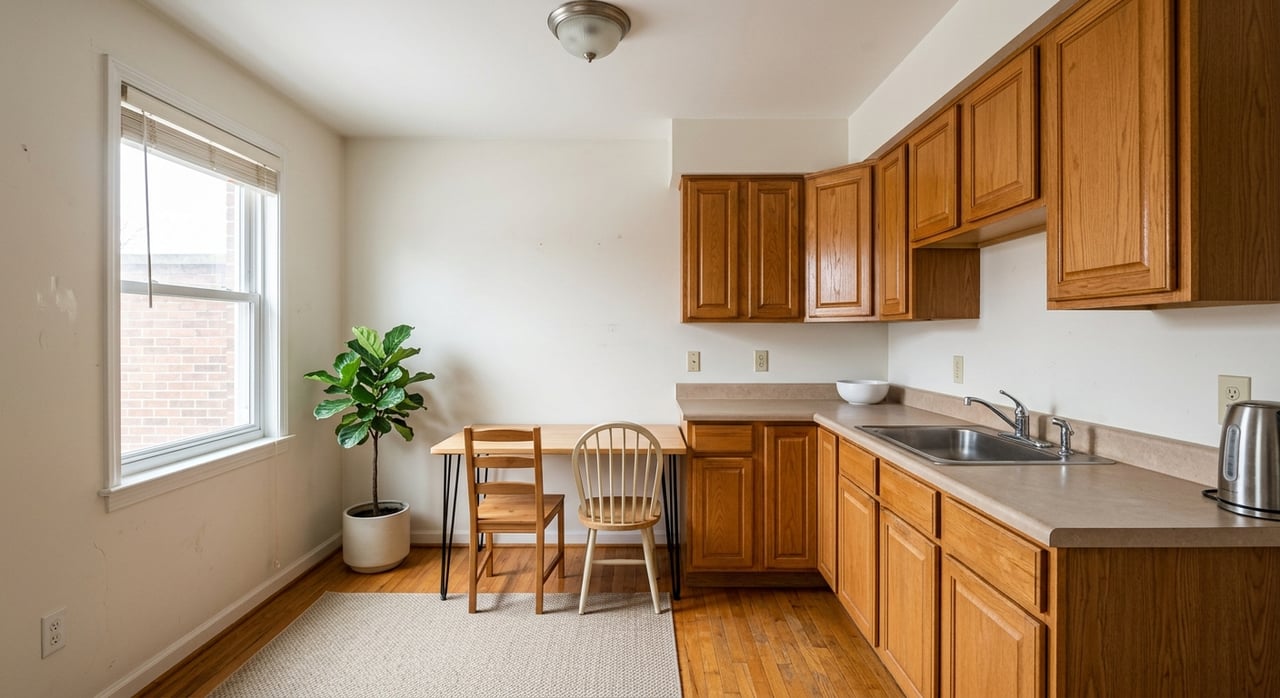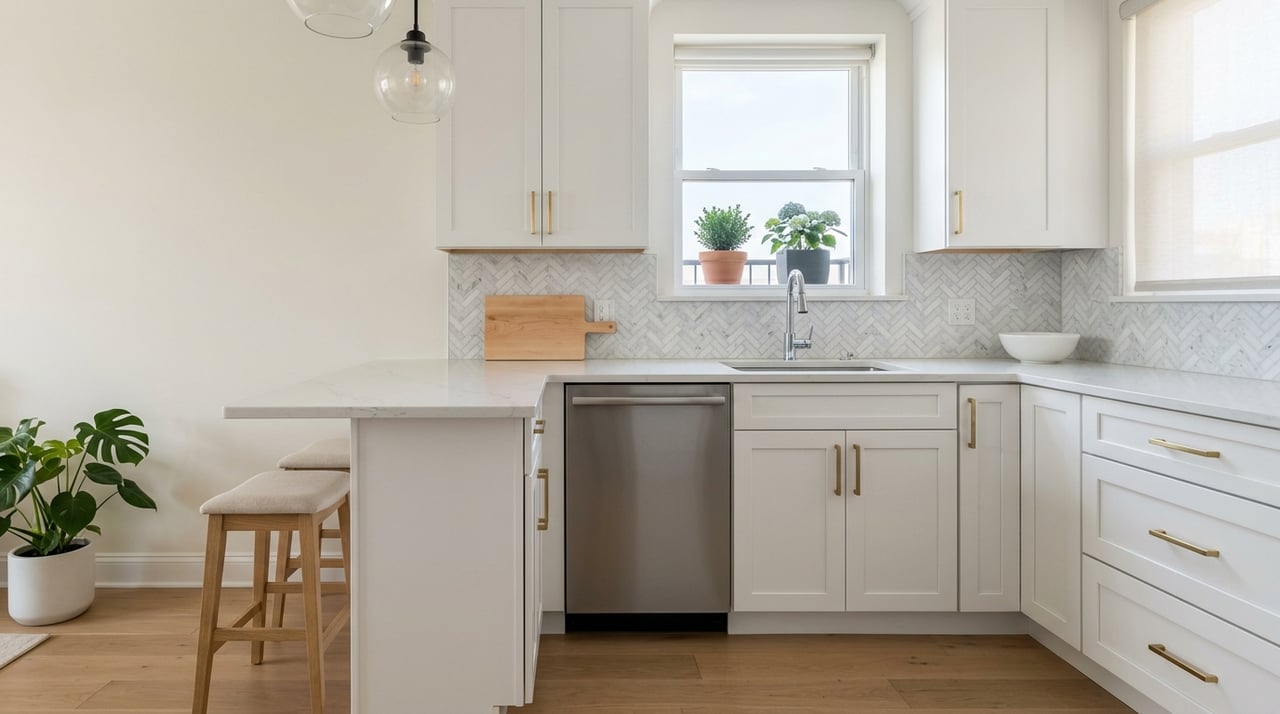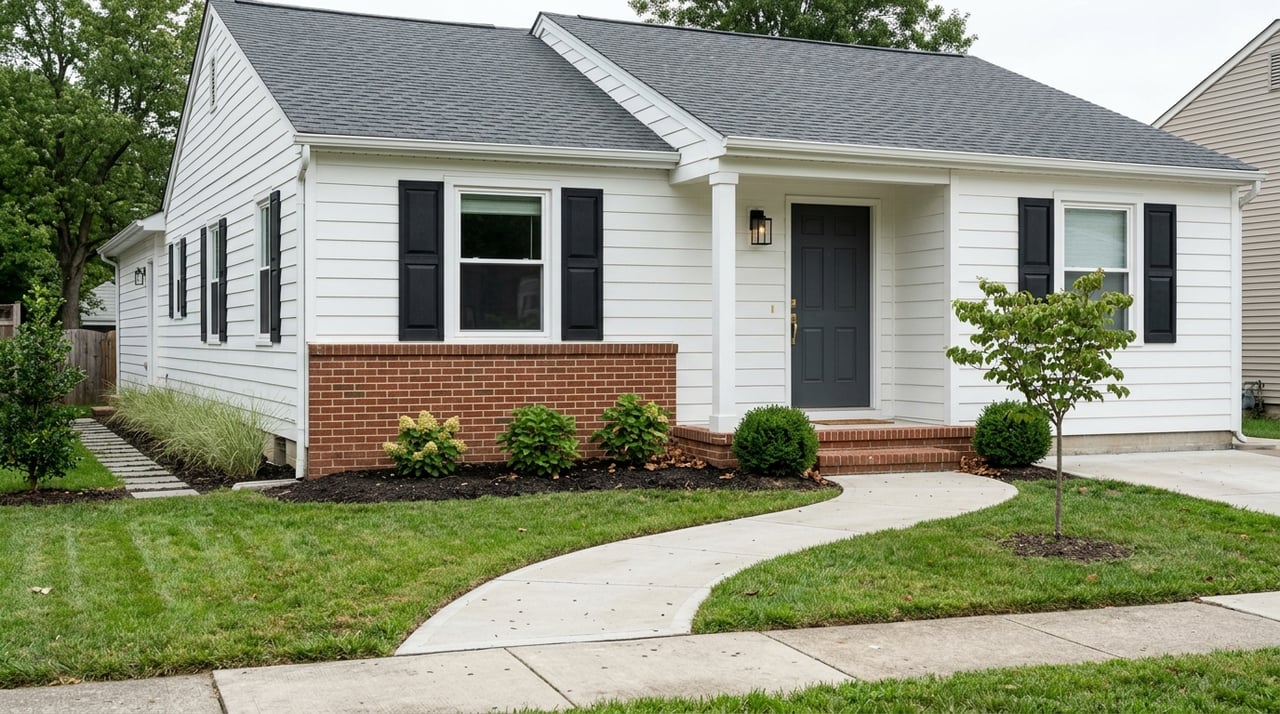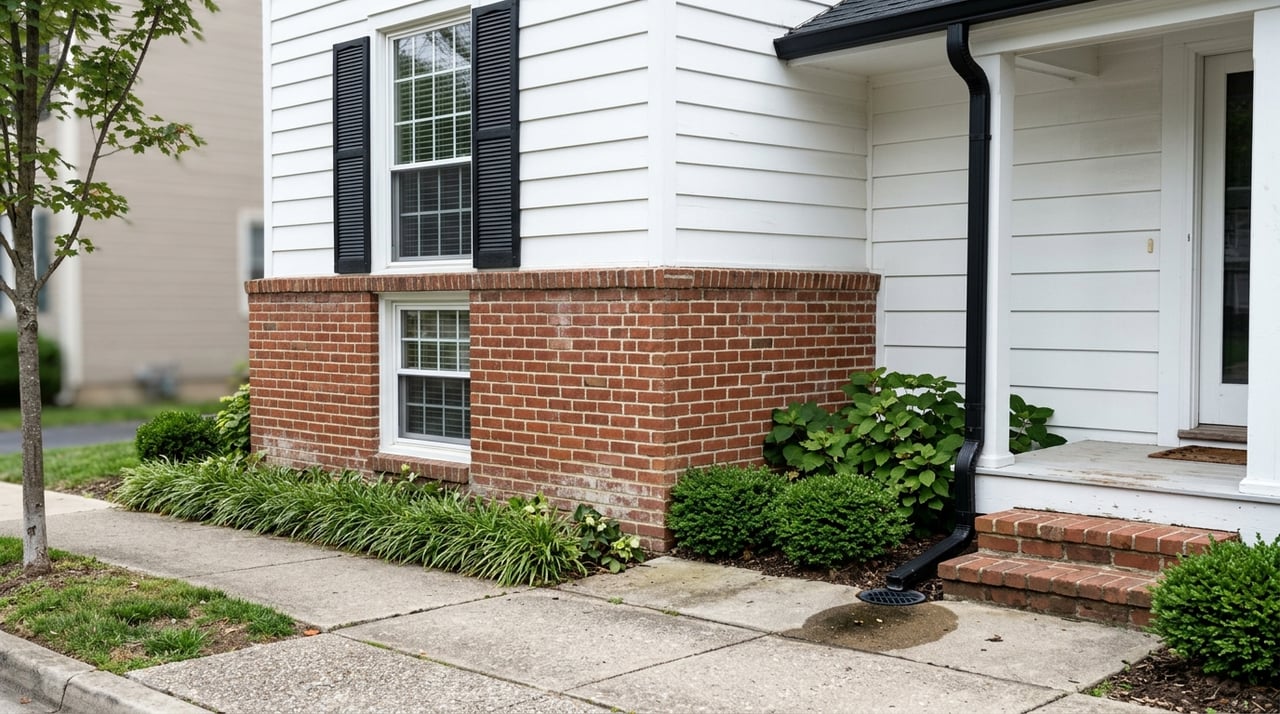
Thinking about buying an older home in Alexandria? You are not alone. Many buyers are drawn to the charm, location, and established feel of Alexandria’s older housing, but those benefits can come with real costs if you do not know what to look for. This guide will help you weigh the risks and rewards, ask smarter questions, and plan your budget with more confidence. Let’s dive in.
Why Older Alexandria Homes Stand Out
Alexandria’s identity is deeply tied to preservation. The city describes Old Town as the historic urban core and notes that Alexandria has seven National Register historic districts, with Old and Historic Alexandria and Parker-Gray serving as local historic districts regulated by the Board of Architectural Review.
That matters when you shop for a home here. You are not just buying square footage. You are often buying into a streetscape, a long-standing neighborhood pattern, and architecture that gives the area a strong sense of place.
For many buyers, that is the reward. In a city where the median value of an owner-occupied home is $735,100, older homes can appeal to people who want character and location and are comfortable making updates over time.
The Rewards of Buying an Older Home
Character You Cannot Easily Replicate
Older Alexandria homes often offer details that feel hard to find in newer construction. Depending on the property, that may include original brickwork, distinctive trim, traditional layouts, or a setting within a preserved block that feels visually consistent.
In Alexandria, that sense of continuity is part of the appeal. The city has a long preservation history, and many buyers see value in living in a place where the architecture and neighborhood pattern have been maintained over time.
Established Locations
Older homes are often found in long-established parts of Alexandria. That can mean mature streetscapes, a recognizable neighborhood identity, and housing in areas that have been part of the city’s fabric for decades.
For buyers who care about location first, older housing can be worth a closer look. You may find that a home with a few needed updates offers a better fit than a newer home in a less established setting.
Potential to Add Value Over Time
If you are comfortable with improvements, an older home may give you room to build equity through thoughtful updates. That does not mean every older home is a bargain, but it can mean there is upside if you buy with a realistic plan.
This is where a practical eye matters. Cosmetic fixes are only one piece of the puzzle. The real opportunity often comes when you understand the condition of the home’s systems, the likely cost of repairs, and any local review requirements before you close.
The Risks You Need to Evaluate
Lead Paint in Pre-1978 Homes
Lead-based paint is one of the biggest issues to keep on your radar. According to the EPA, older homes are more likely to contain lead-based paint, including 87% of homes built before 1940 and 24% of homes built from 1960 to 1978.
If you are buying a home built before 1978, the EPA recommends either assuming lead is present or hiring a certified professional to test for it. This becomes especially important if you plan to renovate soon after closing, since renovation work can disturb lead paint and create lead dust.
Federal law also requires disclosure of known lead-based paint information before the sale or lease of most pre-1978 housing. Buyers generally have a 10-day window to conduct a lead inspection or risk assessment.
Older Plumbing and Drinking Water Concerns
Alexandria says there are no lead water mains in the city, and company-owned lead has been eliminated from service lines supplying more than 95% of Virginia American Water customers in Alexandria. Still, that does not remove all risk.
The city also notes that remaining company-owned lines, privately owned service lines, and interior pipes may still contain lead, and homes built before 1940 are at higher risk for lead plumbing. The EPA says the most common sources of lead in drinking water are lead pipes and brass or bronze fixtures, and testing is the only way to confirm whether lead is present.
Electrical Issues and Hidden Materials
With older homes, what you cannot see matters just as much as what you can. The Consumer Product Safety Commission has warned about fire hazards associated with residential aluminum wiring used in homes built between 1965 and 1973 and advises an experienced electrician’s inspection if that type of wiring is suspected.
Asbestos is another concern. The EPA says you cannot tell by looking whether a material contains asbestos, and if materials such as floor tile, ceiling tile, or pipe wrap are damaged or could be disturbed during a renovation, they should be sampled by a trained asbestos professional.
Flooding and Drainage Challenges
Flood risk is not just a coastal issue or a rare event. Alexandria’s updated FEMA flood maps took effect on January 11, 2024, and the city’s stormwater committee has tied flooding concerns to more severe storms and older, inadequate infrastructure.
The city specifically points to older neighborhoods built before stormwater standards, along with parts of Old Town, Hooff’s Run, and Four Mile Run, as areas where flooding is most severe or where upgrades are urgently needed. That makes location-specific due diligence especially important when you are considering an older property.
Permit History and Past Alterations
A finished basement or updated porch may look great, but appearances are not the full story. Alexandria requires permits for most construction and maintenance work, including renovations, additions, and alterations.
In local historic districts, new construction and exterior changes visible from a public right of way also require a Certificate of Appropriateness. Interior work does not. For buyers, that means you should pay attention to the paper trail, not just the finishes.
Due Diligence That Matters Most
Start With a General Inspection
A general home inspection is still the starting point. It gives you a broad look at the home’s condition and can help identify where you may need deeper review.
But with an older Alexandria home, the general inspection should be treated as the first layer, not the only layer. Depending on the property, specialist follow-up may be the smart move.
Add Specialty Checks When Needed
If the home is pre-1978 and you may renovate, a lead inspection can be especially useful. If older plumbing is suspected, Alexandria recommends certified water testing. If there are signs of suspect asbestos-containing materials and renovation may disturb them, sampling by a trained asbestos professional is the safer path.
If there are clues pointing to outdated electrical components, bring in an experienced electrician. Specialty inspections can feel like an extra cost up front, but they can help you avoid a much larger surprise after closing.
Ask Alexandria-Specific Questions
Before you move forward, ask questions that fit Alexandria’s older housing stock and local rules:
- Is the property in a local historic district or another preservation-related category?
- Are there records for additions, porches, basement finishes, or exterior changes?
- Has the seller provided required lead disclosure information for a pre-1978 home?
- Is there any sign of old wiring, lead plumbing concerns, moisture intrusion, or drainage problems?
These questions help you move from general curiosity to property-specific risk review.
Budgeting for an Older Home in Alexandria
Buying an older home is not only about the purchase price. In Alexandria’s higher-value market, even modest repair items can have a meaningful effect on your total budget.
That is why smart buyers plan beyond closing day. A strong budget leaves room for the known work, the likely work, and at least some unknowns.
Common Costs to Plan For
If you are considering an older Alexandria property, your post-closing budget may need to account for:
- Lead-safe work practices, testing, or repainting in pre-1978 homes
- Electrical updates if aluminum wiring or other outdated components are found
- Plumbing repairs or testing if older supply pipes are suspected
- Drainage, grading, waterproofing, or stormwater-related work in flood-prone areas
- Permit fees and possible historic-review timing for exterior work in regulated districts
- Flood insurance premiums if the property is in a mapped flood hazard area
Not every home will need every item on this list. The point is to budget from the property’s likely condition and location, not from best-case assumptions.
When an Older Home Is Worth It
An older Alexandria home can be a great fit if you value character, established surroundings, and the chance to personalize a property over time. It can be an especially strong option if you are comfortable balancing charm with maintenance and understand that older systems may need attention sooner rather than later.
The best purchases are usually the ones where the visible appeal is matched by realistic planning. If you go in with clear expectations, solid inspections, and a budget that reflects the home’s true condition, an older home can be both a smart lifestyle choice and a smart long-term investment.
If you want help evaluating an older home in Alexandria, especially one with renovation potential, Derek Mathew Cole can help you look beyond the listing photos, understand the risks, and spot the value in the right property.
FAQs
What are the biggest risks of buying an older home in Alexandria?
- The main risks include lead-based paint, older plumbing that may contain lead, outdated electrical systems such as possible aluminum wiring, hidden asbestos in certain materials, flood or drainage issues, and missing permits for past work.
Should you get extra inspections for an older Alexandria home?
- Yes. A general home inspection is the first step, but older homes may also justify lead testing, water testing, an electrician’s review, or asbestos sampling depending on the age and condition of the property.
How do historic district rules affect older homes in Alexandria?
- In Alexandria’s local historic districts, new construction and exterior alterations visible from a public right of way require a Certificate of Appropriateness. Interior work does not, but permit history and review status still matter when you buy.
Are older homes in Alexandria more likely to have lead concerns?
- Yes. Older homes are more likely to contain lead-based paint, and Alexandria says homes built before 1940 are at higher risk for lead plumbing. Testing and disclosure review are important parts of due diligence.
How should you budget for an older home in Alexandria?
- Build your budget around both the purchase and the likely follow-up costs, including testing, repairs to electrical or plumbing systems, drainage improvements, permit fees, possible historic-review timing, and flood-related costs where applicable.